How Regular Property Maintenance in Hull Prevents Costly Repairs
Anyone who owns or manages a property in Hull learns the same lesson sooner or later: small defects rarely stay small for long. A slipped roof tile, a blocked gutter, a patch of cracked render, a leaking seal around a bath, these are the kinds of issues people put off because they do not look urgent. Then a wet winter arrives off the Humber, the wind drives rain sideways into a weak spot, and what could have been a modest repair turns into damp walls, rotten timbers, damaged plaster, and a much larger invoice.
Hull is not especially forgiving to neglected buildings. The local climate, the mix of older housing stock, and the wear that comes with busy family use all make regular upkeep more valuable than many owners first expect. Whether you own a Victorian terrace, a mid-century semi, a rental flat, or a commercial unit, planned maintenance is not just about appearances. It is one of the most reliable ways to protect value, avoid disruption, and reduce the need for major Property Renovation Hull projects later on.
The owners who spend least over ten or fifteen years are rarely the ones who spend nothing. More often, they are the ones who deal with problems while those problems are still cheap.
Why Hull properties need closer attention than many owners realise
Hull’s weather shapes how buildings age. Frequent rain, cold snaps, high winds, and long damp periods put pressure on roofs, pointing, external joinery, and drainage. Moisture is usually the biggest enemy. It finds its way through failed seals, damaged flashing, hairline cracks, porous masonry, overflowing gutters, and worn-out pipe joints. Once it gets in, it affects more than one trade. What starts as a roofing issue can quickly become a plastering problem, a decorating problem, and in some cases a structural timber problem.
There is also the age profile of much of the local housing. Many homes in Hull were built in periods when construction methods differed from what owners see in new-build estates now. Solid wall properties, older slate or tile roofs, timber sash windows, lime mortars, suspended timber floors, and original drainage runs all need the right kind of attention. If repairs are delayed or handled poorly, the building can react badly. Modern sealants used in the wrong place, for example, can trap moisture where an older wall needs to breathe.
That is one reason experienced local contractors tend to approach Property Maintenance HUll work with a mix of caution and practicality. A good repair is not just about patching the visible fault. It means understanding how the building behaves through the seasons.
The real cost of waiting
People often delay maintenance because they are trying to save money. On paper, that feels sensible. In practice, it often creates the opposite outcome.
Take gutters. Cleaning and checking them once or twice a year is relatively low-cost. Leave them blocked, though, and rainwater can overflow down the face of the wall. Over time that can saturate brickwork, stain render, weaken pointing, and lead to internal damp patches. If water reaches the wrong areas repeatedly, you may also see timber decay around fascias or window heads. What could have been a straightforward maintenance visit can end with external repairs, internal remedial work, and redecoration across several rooms.
Roofing is another classic example. A single slipped tile may not produce an obvious leak at first. Water can track along felt or battens and show up far from the point of entry, often after insulation has become damp and ceiling plaster has started to fail. By the time the room below shows a stain, the issue has usually existed for a while.
Bathrooms and kitchens cause the same pattern indoors. Failed silicone, loose grout, and slow plumbing drips are rarely dramatic. They are, however, excellent at damaging subfloors, plasterboard, cabinetry, and ceilings below. A tenant may only mention a small mould patch or a musty smell. Lift the vinyl or inspect behind a unit and suddenly the repair expands.
This is where routine inspections pay for themselves. They catch faults before they spread into other elements of the building.
Preventive maintenance works because buildings fail in predictable ways
Most costly repairs do not arrive out of nowhere. Buildings usually give warnings. The challenge is that those warnings are easy to dismiss if nobody is looking carefully.
Cracks widen gradually. Paint peels where moisture sits. Mortar erodes over time. External timber softens before it collapses. Boiler pressure drops before the heating fails completely. Soil stacks often leak slightly before they leak badly. Doors begin sticking when moisture affects frames or movement appears. Floors feel springy before they become unsafe.
A seasoned General Contractor or maintenance team learns to read these signs early. They know, for instance, that black mould in a corner is not always just a ventilation issue, and that persistent condensation can sometimes be worsened by hidden damp, poor insulation detailing, or extractor fans that no longer perform properly. They know that a crack above a window may be harmless settlement, or it may point to lintel failure. The value is not simply in fixing what is visible. It is in knowing what needs monitoring, what needs immediate action, and what can safely wait.
That judgment matters because overreacting can waste money too. Not every stain needs a major strip-out, and not every uneven floor means structural trouble. Good maintenance is about proportionate response.
The areas that most often lead to bigger repair bills
If I had to pick the building elements that most often create expensive knock-on damage in Hull properties, I would start with the roof, rainwater goods, plumbing, and external envelope. These are the places where water gets in or fails to get away.
A property can look perfectly respectable from the front and still hide defects in the gutters, valleys, flashing, or rear flat roof. Rear elevations are often the least checked and the first to cause trouble. Likewise, many owners notice interior decoration long before they inspect external pointing, seals, or drainage levels.
Heating systems deserve mention too. Boilers, pumps, valves, and radiators generally give signals before complete failure, but only if somebody pays attention. A small issue with pressure or circulation can grow into a winter breakdown, and emergency call-outs always cost more than planned servicing. If the property is rented, the disruption and legal obligations raise the stakes further.
Joinery is another area people underestimate. Rotten sills, failed putty, split frames, and neglected external doors are not just cosmetic concerns. Once moisture gets into timber, repair choices narrow quickly. Early treatment and repainting can add years. Late intervention can mean full replacement.
What a sensible maintenance routine actually looks like
Regular maintenance does not mean constant expense or needless tinkering. The best routines are simple, seasonal, and tied to the specific building.
A family home in good condition might need a thorough visual check in spring and autumn, routine servicing for heating and electrics where appropriate, and prompt action whenever new signs appear. A rental property, especially one with frequent tenant turnover, usually needs more regular inspection because small issues are less likely to be reported clearly or early. Older buildings benefit from a closer eye on moisture movement, pointing, rooflines, and subfloor ventilation.
One of the most practical approaches is to group maintenance around weather exposure and service intervals. After heavy winter weather, check roofs, guttering, and external fabric. Before colder months, make sure heating systems, seals, and insulation-related details are in decent order. Indoors, pay attention to bathrooms, kitchens, and any rooms with previous damp history.
Here is a concise checklist that many owners in Hull find useful:
- inspect roofs, flashings, gutters, and downpipes at least twice a year
- service the boiler and address pressure or heating issues early
- check bathrooms and kitchens for failed seals, drips, and hidden moisture
- monitor external walls, pointing, and joinery for cracks, gaps, or decay
- deal with stains, mould, or musty smells as symptoms, not just cosmetic flaws
That kind of routine is usually enough to catch the issues that lead to bigger repair costs.
Damp is rarely just damp
Few words cause more confusion among property owners than damp. Some hear it and assume they need chemical treatment straight away. Others assume it is only condensation and Landscaping Hull try a dehumidifier for months while the real fault worsens.
In Hull, where driving rain and older masonry are common factors, damp has to be diagnosed carefully. Penetrating damp from the outside can look similar to internal condensation at first glance. Leaks from plumbing can mimic both. Rising damp does exist, but it is also over-attributed in some properties where the true cause lies elsewhere.
A careful inspection looks at patterns. Is the problem worse after rainfall? Is it localised around windows, chimney breasts, or external corners? Are skirting boards decaying? Is there salt contamination? Is the wall solid or cavity construction? Has recent insulation, rendering, or decorating altered how moisture evaporates? These details matter because the wrong remedy wastes money and sometimes traps moisture in the structure.
I once saw a ground-floor room repeatedly redecorated every year because of a peeling patch near a bay window. The owner had been told it was just condensation from furniture placement. The real problem was failed pointing and a cracked sill detail letting water in from outside. Repointing, sealing the sill correctly, and allowing the wall to dry solved it. Three rounds of painting had done nothing except hide the evidence for a few months.
Planned maintenance protects renovation budgets
Many owners think of maintenance and renovation as separate categories. In reality, they are closely linked. If you neglect the fabric of a property, any later upgrade becomes more expensive and less efficient.
Say you are planning a kitchen refit. If there has been a long-term leak under the sink or around the waste pipe, the cabinetry, flooring, and possibly the wall behind may already be compromised. The renovation team then has to strip out more, dry the area, repair substrates, and sometimes bring in additional trades. The finish you budgeted for gets eaten up by remedial work.
The same goes for loft conversions, bathroom refurbishments, flooring projects, and energy-efficiency upgrades. A property in sound maintained condition is much easier to renovate well. That is why reputable firms involved in Property Renovation Hull work often start with repair and preparation rather than cosmetic upgrades. It is not glamorous, but it is the right order.
Owners who maintain well also get better value from materials. There is little point investing in quality decoration, bespoke joinery, or premium floor finishes if moisture, movement, or service faults are quietly undermining the substrate. Maintenance protects the investment below the surface.
The rental angle, where small delays become expensive fast
Landlords in Hull face a sharper version of the same issue. A minor unresolved defect in a rental property can become expensive not only because of the repair itself, but because of vacancy risk, tenant dissatisfaction, and the chance of secondary damage.
Tenants do not always report problems immediately. Sometimes they do not notice them. Sometimes they think it is not worth the call. Sometimes they mention it casually and the urgency gets lost. A dripping overflow, a cracked shower tray seal, or a slow extractor fan can go unaddressed for months. By the time a new inspection happens, the bathroom floor may be soft, mould may be established, and the room may need to be taken out of use for proper repair.
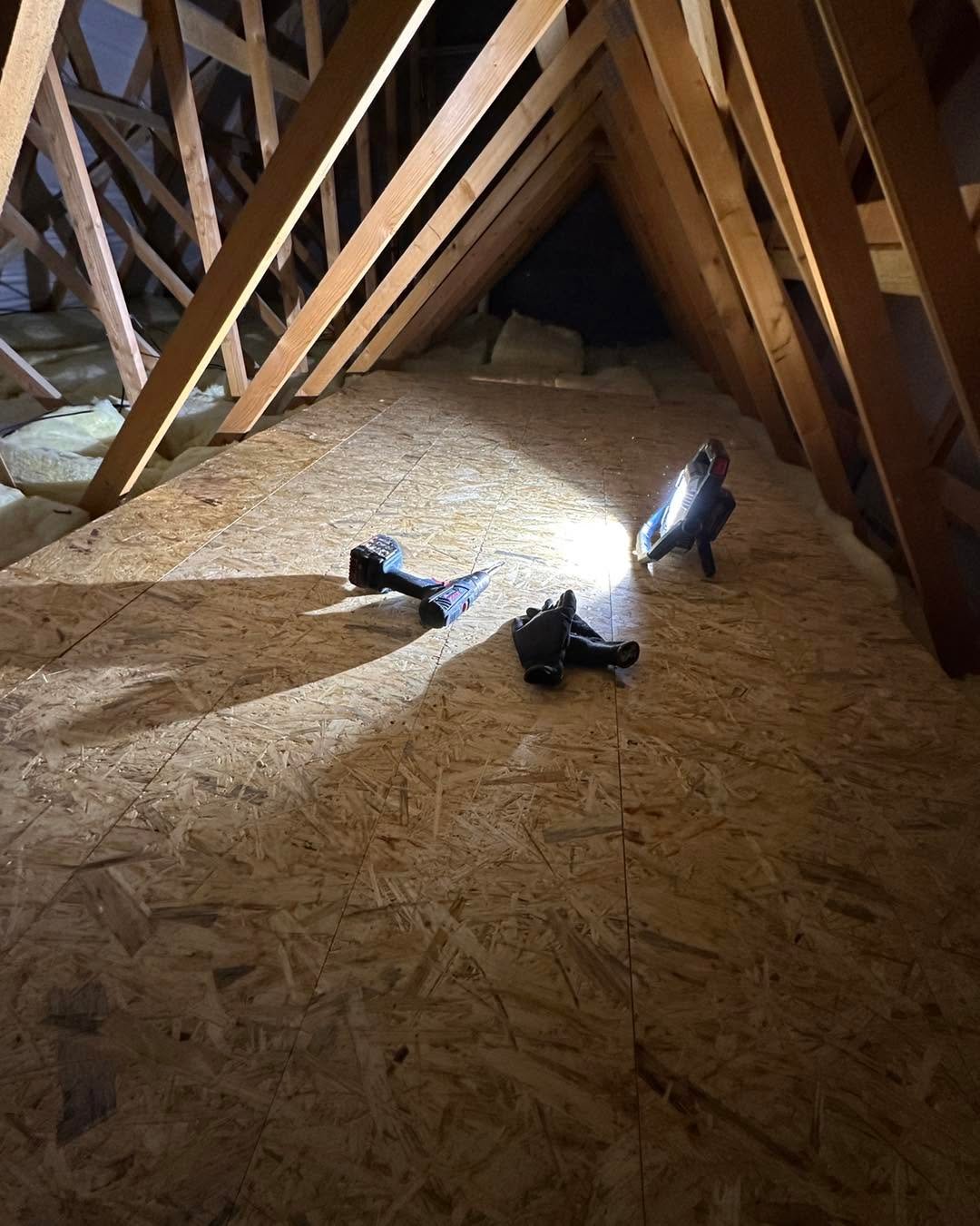
Regular visits, clear reporting channels, and quick response to small defects are especially valuable in rented homes. In my experience, landlords who treat maintenance as a routine operational cost almost always spend less than those who rely on reactive repairs. Emergency works, void period remedials, and rushed replacements cost more in labour, more in materials, and more in stress.
Choosing the right contractor makes a difference
Preventive maintenance only works if repairs are done properly. Cheap patch jobs can be worse than delay because they create false reassurance. A bead of sealant over the wrong crack, a coat of stain-block over active moisture, or a replacement part fitted without addressing the root cause can buy a few weeks and then fail at the worst possible time.
This is where a capable General Contractor or maintenance specialist earns their fee. The best ones do not just quote for the visible symptom. They ask where the water is coming from, how long the issue has been present, what the surrounding materials are doing, and whether another trade needs to be involved. They also understand sequencing. There is no value in redecorating a wall before the source of moisture is genuinely resolved.
When choosing help, owners should look for practical communication rather than sales language. You want someone who can explain the likely cause, the urgency, the repair options, and what can be deferred without risk. Local experience matters too. Contractors who work regularly on Hull properties tend to recognise recurring patterns in the area’s building types.
A useful question to ask is not just, “Can you fix this?” but, “What do you think caused it, and what else should I check?” The quality of that answer tells you a lot.
Common warning signs worth acting on straight away
Some defects can reasonably be monitored for a short while. Others deserve prompt attention because they often lead to bigger trouble if ignored.
- fresh water stains on ceilings or upper walls
- gutters overflowing during rain
- persistent mould returning after cleaning
- soft timber around windows, doors, or roof edges
- low boiler pressure or heating performance that has changed noticeably
None of those signs guarantees a major failure, but all of them justify a proper look. Delay is where costs tend to climb.
Maintenance is also about timing
There is a practical side to this that often gets missed. Repairs are cheaper when they can be planned. Once a problem becomes urgent, owners lose flexibility. They may have to accept whoever is available, pay premium rates, postpone other works, or live with collateral disruption.
Timing matters especially for external works in Hull. Roofing, pointing, render repairs, and joinery repairs all benefit from suitable weather windows. If you spot a problem early in autumn, you can often book a planned repair before winter exposure makes it worse. If you ignore it until January, you may be dealing with internal damage before the external fix is even possible.
The same applies indoors. A bathroom seal failure caught quickly might be repaired in an hour or two. Left long enough, it can become a drying-out job followed by floor repairs and reinstallation work. The calendar amplifies the cost.
A maintained property ages better, and sells better
Even owners who are not planning to sell soon benefit from regular upkeep because maintenance preserves optionality. Properties with a known record of care, service history, and timely repairs are easier to insure, easier to let, and usually more straightforward to sell. Surveyors notice patterns of neglect very quickly. So do buyers.
Buyers may accept that an older home needs updating. What makes them nervous is evidence that basic maintenance has been deferred. Staining in the loft, rotten fascias, blown plaster from damp, cracked seals, and patchy roof repairs suggest hidden liabilities. Those concerns feed directly into renegotiation.
By contrast, a property that has had sensible Property Maintenance HUll over the years often presents as solid even if finishes are dated. The buyer can see that the bones are sound. That distinction affects confidence and value.
The steady approach usually wins
There is nothing especially dramatic about regular maintenance, and that is precisely the point. It is a steady discipline rather than a big event. You inspect, notice, prioritise, and act before defects spread. You accept that every building needs attention and that care is cheaper than rescue.
For Hull property owners, that mindset pays off repeatedly. It reduces emergency call-outs, limits water damage, protects renovation plans, extends the life of roofs and joinery, and helps older buildings perform as they should. Most importantly, it turns repair decisions from reactive panic into controlled, informed choices.
When maintenance is done well, people rarely notice. The ceilings stay dry, the windows open properly, the bathroom floor stays firm, the heating works when it should, and the house keeps doing its job. That quiet reliability is not luck. It is the result of catching small problems before they become expensive ones.
CHM Yorkshire Ltd
Hull
HU9 5BU
Tel: 01482 455159
Website: https://www.chmyorkshireltd.co.uk
Ends · DEVINTZRN726